A car accident can turn an ordinary day into a stressful and uncertain experience. When the collision involves a drunk driver, the consequences can be even more difficult. Injured people may face unexpected medical bills, time away from work, vehicle repairs, and physical or emotional challenges that continue long after the accident. While the driver may face criminal charges, victims often have separate questions about how they can recover financially.
Understanding drunk driving accident compensation in Indiana starts with knowing what losses may be included in a personal injury claim. Depending on the circumstances, an injured person may be able to pursue compensation for medical expenses, lost income, property damage, pain and suffering, and other accident-related losses.
However, compensation is not automatic. The circumstances of the accident, the severity of the injuries, available evidence, and insurance coverage can all affect a claim. Understanding these factors can help victims decide whether pursuing compensation or speaking with an attorney makes sense for their situation.
Time limits also matter. Under Indiana Code § 34-11-2-4, most personal injury lawsuits must be filed within two years after the claim accrues. Waiting for a criminal case to conclude does not automatically extend this deadline.
What Compensation Can an Injured Person Recover After a Drunk Driving Accident in Indiana?
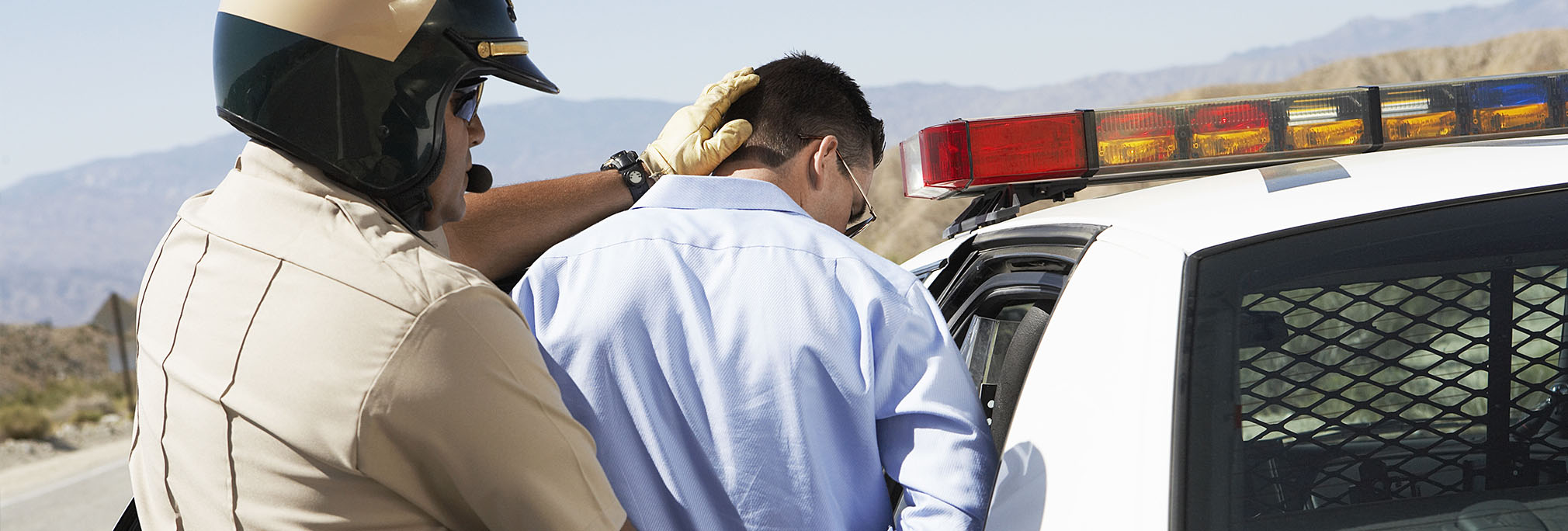
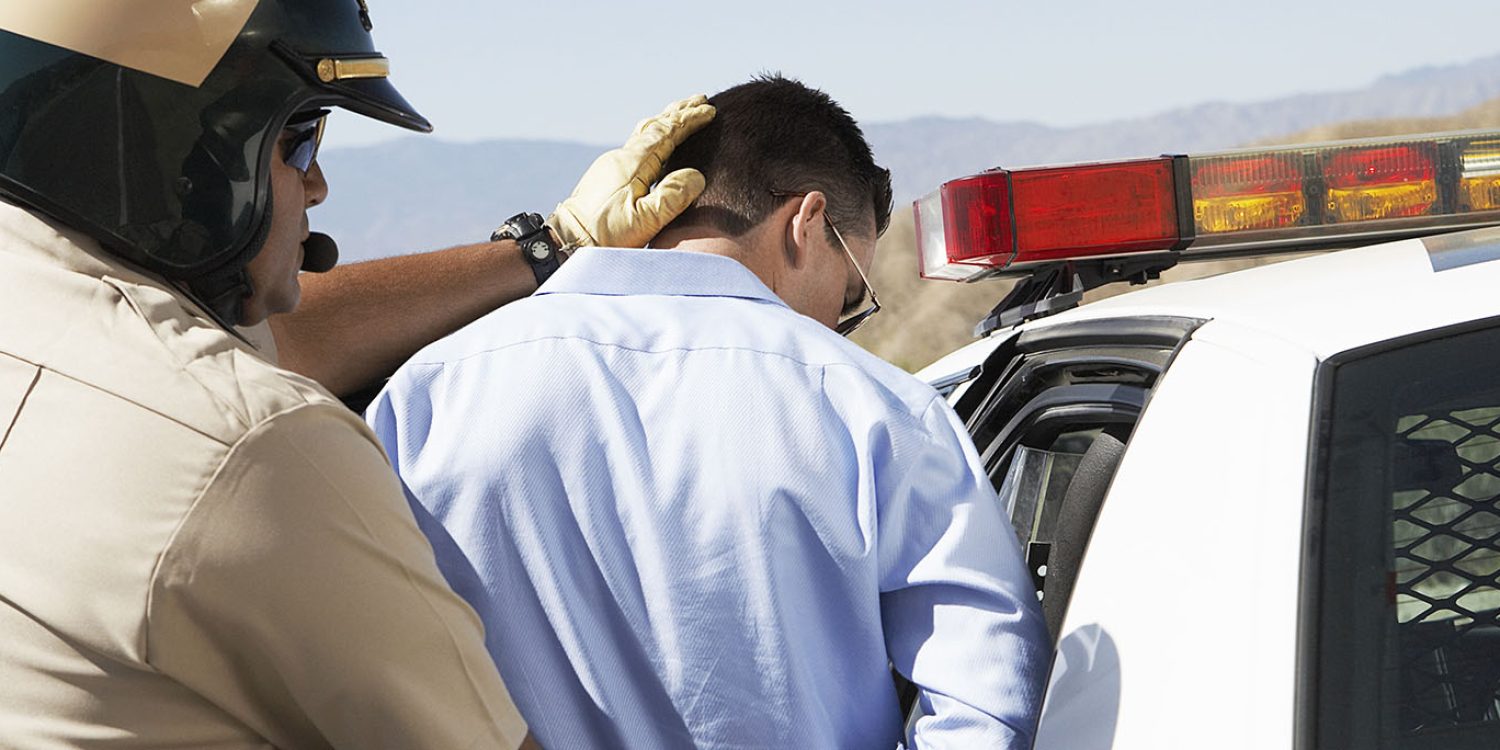
When someone is injured because another driver was operating a vehicle while impaired, they may have grounds for a personal injury claim. A DUI or OWI arrest can provide important evidence about the accident, but an injured person must still establish that the driver’s actions caused their injuries.
Depending on the circumstances, several types of compensation may be available.
1. Medical Expenses and Future Treatment
Medical expenses are often one of the largest parts of a drunk driving accident claim. Even a collision that initially appears manageable can result in injuries requiring extensive treatment.
Depending on the accident, victims may need emergency care, hospital stays, surgery, prescription medications, or physical therapy. Some injuries also require continued treatment or rehabilitation long after the initial accident.
Compensation may include reasonable medical expenses related to the collision, as well as anticipated future treatment when supported by medical evidence.
For example, someone who suffers a back injury may need months of physical therapy and continued medical care. Another person may experience a more serious injury that affects their mobility or ability to complete everyday activities.
Medical bills, treatment records, and physician recommendations can help demonstrate the financial impact of these injuries.
2. Lost Wages and Reduced Earning Capacity
An injury can affect more than someone’s physical health. It can also interfere with their ability to work and maintain financial stability.
If an accident prevents someone from returning to work, they may be able to seek compensation for income lost during their recovery. This can include missed shifts, unpaid time off, and other documented earnings.
Some injuries have longer-lasting consequences. A person who experiences permanent mobility limitations or chronic pain may no longer be able to perform the same job or work the same number of hours.
In these situations, a claim may also account for reduced future earning capacity.
Pay stubs, employment records, and tax returns can help demonstrate lost income. The goal is to account for how the accident has affected the victim’s ability to earn a living, both now and in the future.
3. Vehicle Repairs and Property Damage
A drunk driving collision can leave victims dealing with significant property damage. A vehicle may require extensive repairs or be declared a total loss.
Property damage compensation may include the reasonable cost of repairing the vehicle or its applicable pre-accident value if it cannot reasonably be repaired. Depending on the circumstances, related expenses such as towing and rental transportation may also be relevant.
Other personal belongings damaged in the collision may be considered. For example, a phone, laptop, or child safety seat inside the vehicle could also be damaged.
Photographs, repair estimates, and receipts can help establish the extent of these losses.
It is also important to understand that vehicle damage and physical injuries are separate considerations. Resolving a property damage claim does not necessarily resolve a victim’s right to pursue compensation for their injuries.
4. Pain and Suffering
Not every consequence of a drunk driving accident can be measured through receipts or paychecks.
Pain and suffering damages may account for the physical discomfort, emotional distress, and reduced quality of life associated with an injury.
Someone recovering from a serious collision may experience ongoing pain, difficulty sleeping, anxiety about driving, or an inability to participate in activities they previously enjoyed.
Other injuries may affect a person’s independence, relationships, or ability to complete everyday tasks.
The impact of these injuries can be considered when evaluating a personal injury claim. Medical records, treatment history, and the victim’s own experiences can help demonstrate how the accident has affected their daily life.
5. Other Potential Damages
Depending on the circumstances, additional losses may also be relevant to a claim. For example, an injury could require someone to pay for transportation to medical appointments or assistance with household responsibilities they previously handled independently.
In particularly serious cases, punitive damages may also be considered. Unlike compensation for medical expenses or lost income, punitive damages are intended to punish certain wrongful conduct and discourage similar behavior.
However, these damages are not automatically available simply because a driver was intoxicated. Indiana law requires specific legal conditions and clear and convincing evidence before punitive damages may be awarded. Under Indiana Code § 34-51-3-4, a punitive damage award may not exceed the greater of three times the compensatory damages awarded or $50,000.
What Factors Affect a Drunk Driving Accident Settlement in Indiana?
No two drunk driving accidents are exactly alike. Even when alcohol impairment is established, several factors can influence whether a victim can recover compensation and how much may be available.
Evidence of the accident: Police reports, witness statements, photographs, and breath or blood alcohol test results may help establish what happened. Medical records and treatment documentation can also connect the collision to the injuries being claimed.
Severity of the injuries: Someone who recovers from minor injuries within a few weeks may have different damages than someone who requires surgery, extended rehabilitation, or long-term medical care. The effect on employment and everyday activities can also influence a claim.
Available insurance coverage: Indiana requires drivers to carry minimum financial responsibility coverage, but those limits may not be enough to cover serious injuries. Depending on the circumstances, an injured person may also have access to uninsured or underinsured motorist coverage through their own insurance policy.
These factors help explain why there is no single settlement amount that applies to every drunk driving accident.
Can an Injured Person Sue a Drunk Driver in Indiana?
Yes. An injured person may pursue a civil claim against a drunk driver when the driver’s negligence caused the accident and resulting injuries.
This is separate from the criminal proceedings that may follow a DUI or OWI arrest.
A criminal case focuses on whether the driver violated Indiana’s laws. A civil personal injury claim focuses on whether the driver is legally responsible for the victim’s injuries and financial losses.
The two cases may involve some of the same evidence, but they serve different purposes. An injured person does not necessarily have to wait for the criminal case to conclude before exploring a civil claim.
Is Hiring an Attorney Worthwhile After a DUI Accident?
Not every accident requires legal representation. However, speaking with an attorney may be worthwhile when injuries are serious, medical expenses are growing, insurance coverage is limited, or the financial consequences extend beyond immediate medical bills.
Evaluating a personal injury claim can involve several considerations. Medical expenses, lost income, future treatment, property damage, and insurance coverage all need to be taken into account.
An attorney can help investigate the collision, review available insurance coverage, organize supporting documentation, and communicate with insurance companies on the victim’s behalf.
Legal guidance may be particularly helpful when an insurance company disputes responsibility or presents a settlement offer before the full extent of the injuries is understood.
For victims in Indianapolis and surrounding communities, White and Champagne provides guidance on personal injury matters involving motor vehicle accidents and other negligence-related injuries.
Understanding the available options does not mean an injured person has to commit to pursuing a claim. It simply provides an opportunity to learn what compensation may be available and whether legal assistance could benefit their situation.
Frequently Asked Questions About DUI Accident Compensation in Indiana
Does a Drunk Driver’s Arrest Guarantee Compensation?
No. A drunk driver’s arrest does not automatically guarantee that an injured person will receive compensation.
An arrest may provide useful evidence that the driver was suspected of operating a vehicle while impaired. However, a civil personal injury claim must independently establish that the driver’s negligence caused the accident and resulting injuries.
Insurance coverage, available evidence, and the extent of the victim’s losses can also affect whether compensation is recovered and how much may be available.
How Much Is a Drunk Driving Accident Settlement in Indiana?
There is no single settlement amount that applies to every drunk driving accident.
The potential value of a claim depends on factors such as medical expenses, lost income, injury severity, future treatment needs, pain and suffering, and available insurance coverage.
An individual evaluation is necessary to understand what compensation may be appropriate under the circumstances.
Can an Injured Person Recover Compensation if the Drunk Driver Does Not Have Insurance?
Possibly. If the at-fault driver is uninsured, an injured person may be able to pursue compensation through applicable uninsured motorist coverage under their own automobile insurance policy.
The availability of coverage depends on the policy terms and circumstances of the accident. An attorney can help review available insurance options and determine whether another source of recovery may exist.
Does an Injured Person Have to Wait Until the DUI Case Is Over Before Filing a Personal Injury Claim?
Not necessarily. Criminal proceedings and civil injury claims are separate legal matters.
An injured person may be able to pursue a civil claim while the criminal case is still pending. However, the timing depends on the circumstances of the accident and applicable legal deadlines.
Understanding the Available Options After a Drunk Driving Accident
The consequences of a drunk driving accident can extend well beyond the initial collision. Medical treatment, missed work, vehicle damage, and lasting physical or emotional challenges can create financial pressures that are difficult to manage.
Indiana law provides injured people with potential avenues for pursuing compensation, but the outcome of a claim depends on the specific circumstances, available evidence, and insurance coverage.
Understanding what damages may be recoverable is an important first step. For some people, reviewing their options independently may be enough to determine their next move. Others may benefit from having an attorney evaluate the circumstances and explain how Indiana law applies.
Injured people can speak with White and Champagne about the losses that may be recoverable in their cases. The firm represents injured individuals in Indianapolis and surrounding Indiana communities and can help them better understand the legal options available after a drunk driving accident.